
Scoliosis is a sideways curve of the spine that can lead to muscle tension, discomfort and reduced mobility. While massage cannot straighten the curve, remedial massage can ease the muscular strain that comes with it. At Needa Massage in Rockingham, we help clients across Warnbro, Baldivis and the surrounding suburbs manage the day to day impact of the condition.
What is scoliosis?
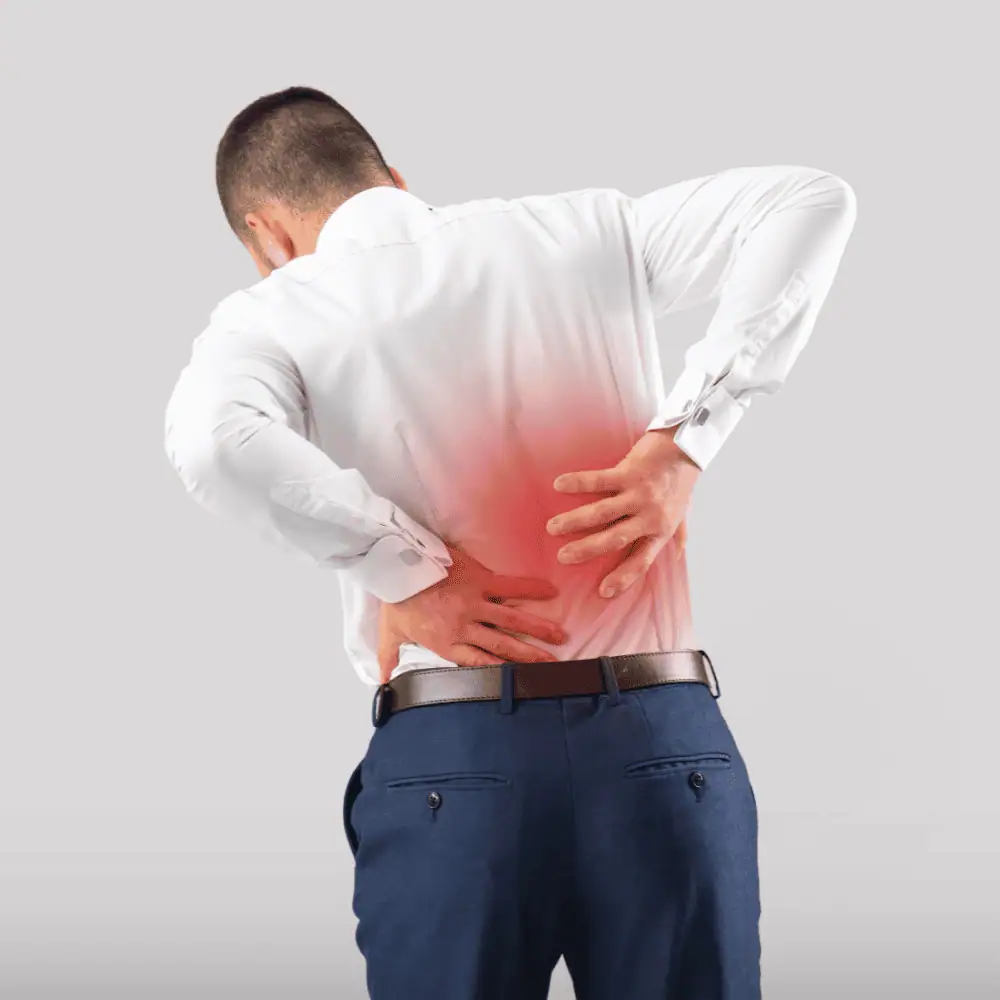
The word scoliosis comes from the Greek for curved or bent. It refers to a spinal curvature where the spine bends sideways and rotates along its vertical axis, rather than running straight down the back.
It is generally grouped into four categories:
- Idiopathic: not related to any other disease or disorder, and the most common type.
- Congenital: a curve that develops from abnormally formed vertebrae present at birth.
- Neuromuscular: resulting from conditions affecting the central nervous system.
- Paralytic: developing when there is a loss of spinal cord function, usually early in life.
What causes it?
It has been described as something of a medical mystery, as many cases have no known cause. Where a cause can be identified, it may include genetic conditions, congenital spine deformation, cerebral palsy, spina bifida or other neuromuscular problems. For a clinical overview of the condition, the Australian Government’s Healthdirect is a reliable resource.
How can remedial massage help?
Massage therapy cannot cure scoliosis, but living with the condition often means carrying extra tension in the muscles and soft tissue around the spine. Remedial massage can help relieve this tension, lengthen tight muscles and improve circulation to the affected area.
Because the muscles either side of the curve work unevenly, one side is often overworked and tight while the other is lengthened and weak. Targeted, hands on treatment helps settle the overworked muscles, which can reduce the aching many people feel through the back, shoulders and hips. Clients who also experience lower back pain often find combined treatment especially helpful.
4 proven ways remedial massage helps
Research and client feedback point to several consistent benefits:
- Enhanced mobility: in a study of people with the condition, massage therapy improved their ability to carry out daily activities.
- Improved sleep: in the same study, having a remedial massage twice a week improved participants’ ability to sleep comfortably.
- Better mental wellbeing: massage reduces stress and increases relaxation, which helps people cope with chronic pain.
- Better results from other therapies: patients who received remedial massage before chiropractic or neuromuscular treatment reported improved outcomes.
Book a scoliosis massage in Rockingham
If scoliosis is leaving you tight, sore or restricted, a tailored remedial massage may help you move and rest more comfortably. Call Mark on 0419 933 897, contact us, or book a session online. We also offer a mobile service across Rockingham, Warnbro and Baldivis if getting to the clinic is difficult.
Frequently asked questions
Can remedial massage cure scoliosis?
No. Remedial massage cannot straighten or cure the spinal curve, and any therapist who claims otherwise should be treated with caution. What it can do is ease the muscle tension, aches and restricted movement that often come with the condition, which for many people makes daily life more comfortable.
Is remedial massage safe if I have scoliosis?
For most people, yes, when it is carried out by a trained remedial therapist who adjusts the treatment to your body. Let your therapist know about your diagnosis and any related conditions first. If your curve is severe or you are under specialist care, check with your doctor before starting massage.
How often should someone with scoliosis have a massage?
It depends on your symptoms and how active you are. Many clients do well with a session every two to four weeks to keep muscle tension under control, while flare ups may call for more frequent treatment. We will suggest a realistic schedule at your first appointment in Rockingham.
Does scoliosis always cause pain?
Not always. Milder curves can be painless, while others cause aching, stiffness or fatigue in the back and surrounding muscles. Because posture and muscle balance change over time, symptoms can come and go, which is where regular remedial massage can help keep discomfort in check.
Related Articles